Penn State’s Board of Trustees on Friday authorized nearly $43 million for three University Park construction projects, including scientific research space, a residence hall renovation and the repurposing of an Innovation Park building.
Two of the projects are being funded entirely by self-supporting units.
Microchip Packaging Cleanroom
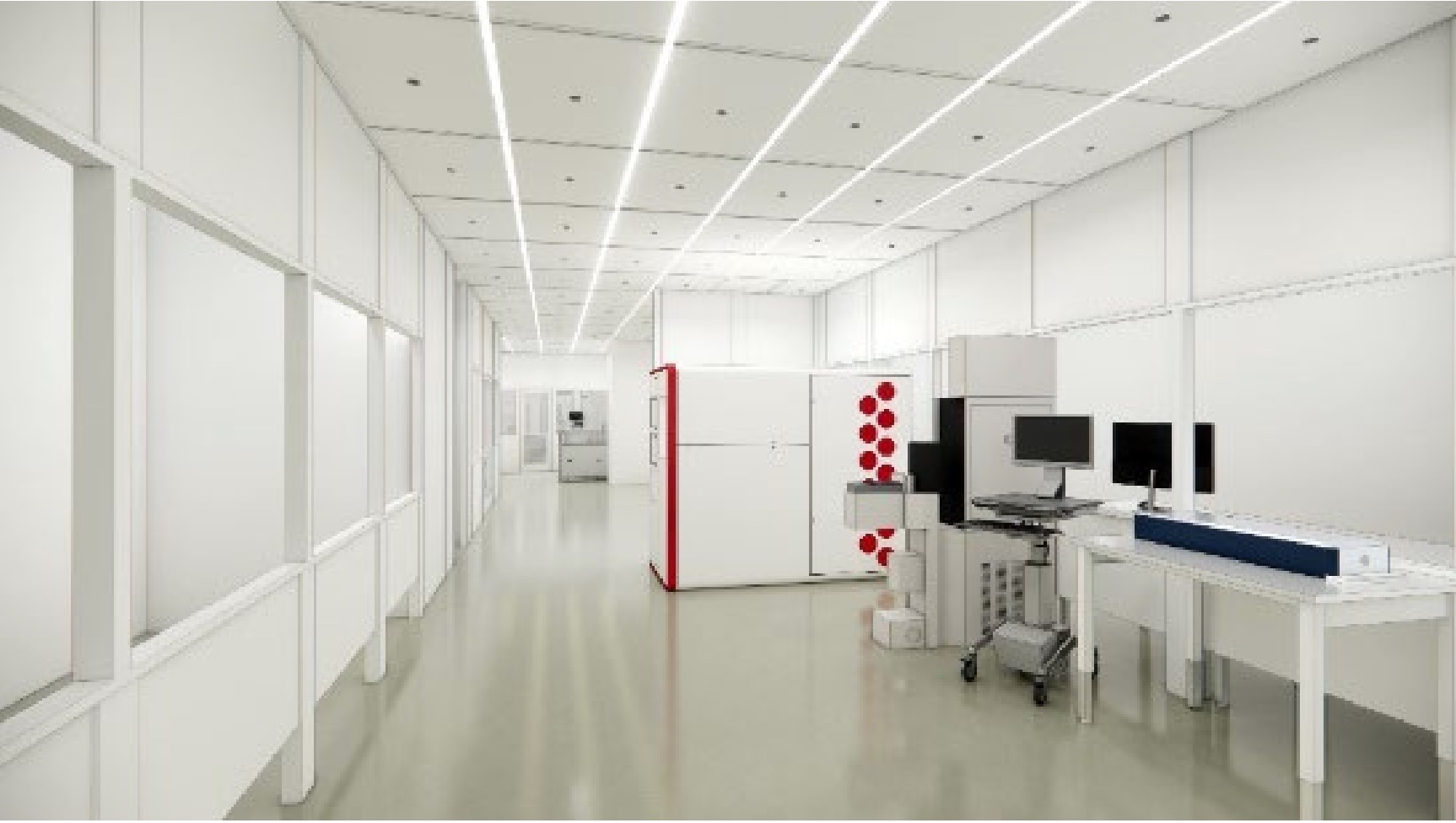
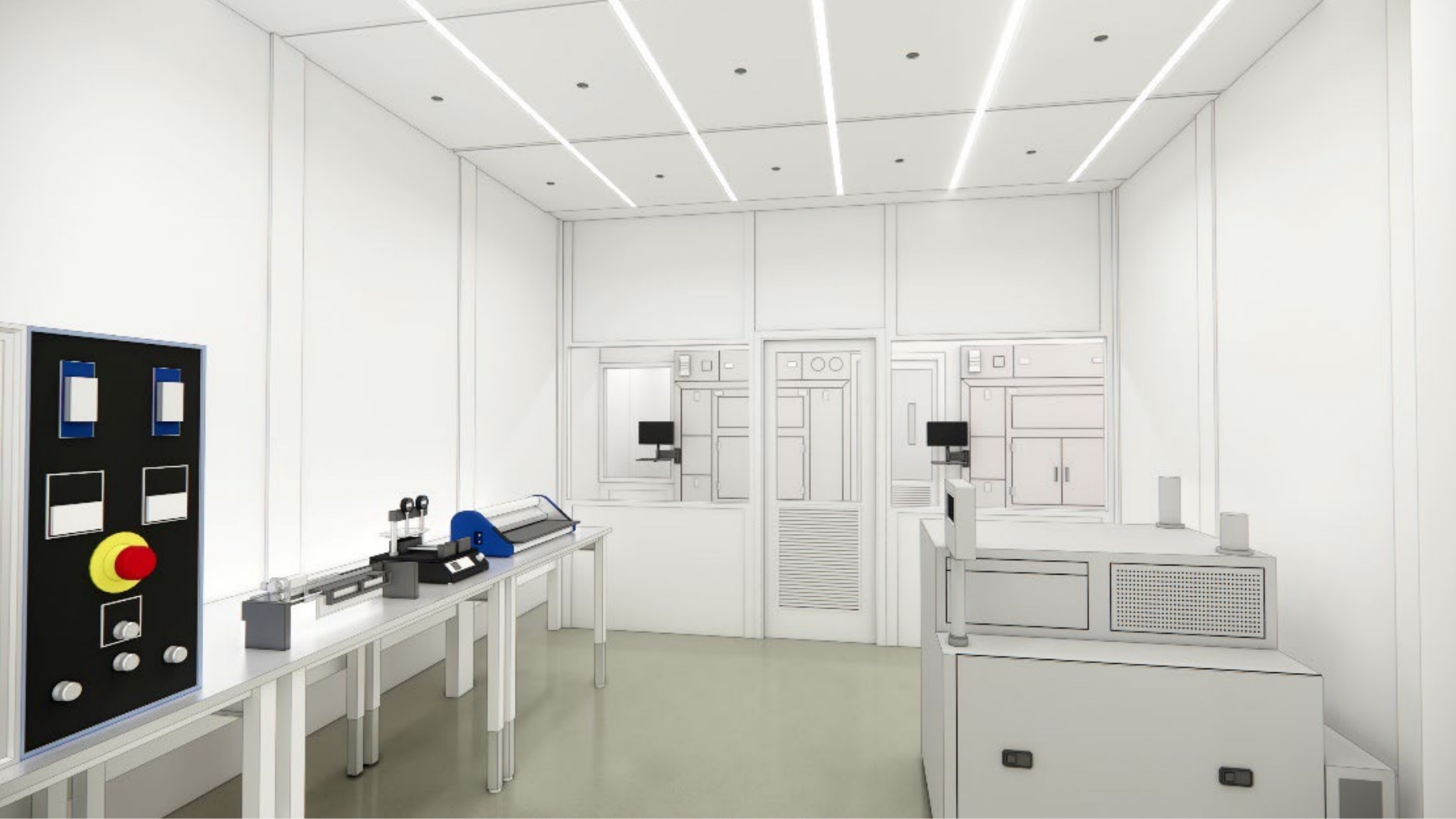
The university plans to renovate and expand microchip packaging clean room spaces at the Millennium Science Complex in a two-phase project, with construction on the $15 million first phase to begin later this month and be completed in August.
The project aims “to enhance the university’s capabilities and national prominence in the field of advanced semiconductor packaging,” Mark Miller, associate vice president and chief facilities officer, said during a finance and investment committee meeting on Thursday.
Its impacts, he said, will be three-fold, “including driving corporate sponsorship and engagement opportunities, allowing for new highly sought after courses to be developed in the field of semiconductor technology and advancing research opportunities,” while also creating a home for the Center for Heterogeneous Integration of Micro Electronic Systems (CHIMES) research team.
Microchip packaging “holds the semiconductor, protects the die (unpackaged, bare chip), connects the chip to a motherboard and/or other chips, and can be used to remove heat,” according to Penn State’s Materials Research Institute, and it “affects power, performance, cost, reliability, and the basic functionality of chips.” Once considered “a relatively non-essential part of” the design, it is now a key to producing the next generation of more powerful semiconductors.
The expanded cleanroom facilities will be located on the first floor of the Millennium Science Complex, in the wing that houses the Materials Research Institute.
“Other locations on campus were considered, but this site was selected for its proximity to the existing MRI cleanroom facility, collaboration opportunities with existing research, and the available space itself,” Miller said.
Most of the existing space where it will be located is an open corridor. Four offices will be eliminated “to maximize the lab area” and new locations for faculty and staff in those have been identified.
The project will include the addition of new tooling equipment, which Miller said is a major cost driver.
“As you might imagine equipment costs are significant for a project of this type, which drives the overall total construction cost up much higher than what we would normally see,” he said.
Of the total $15 million first-phase cost, $5.6 million will come from university-wide funds. Another $4.4 million will come from the President’s Strategic Fund, an annual $50 million pool that can be allocated to any purpose. Gifts will provide $4 million, and the Office of the Senior Vice President for Research will contribute $1 million.
McKee Hall Renovations
A 75-year old dormitory will be the latest in Penn State’s West Halls complex to receive renovations to its bathrooms and the addition of bed space.
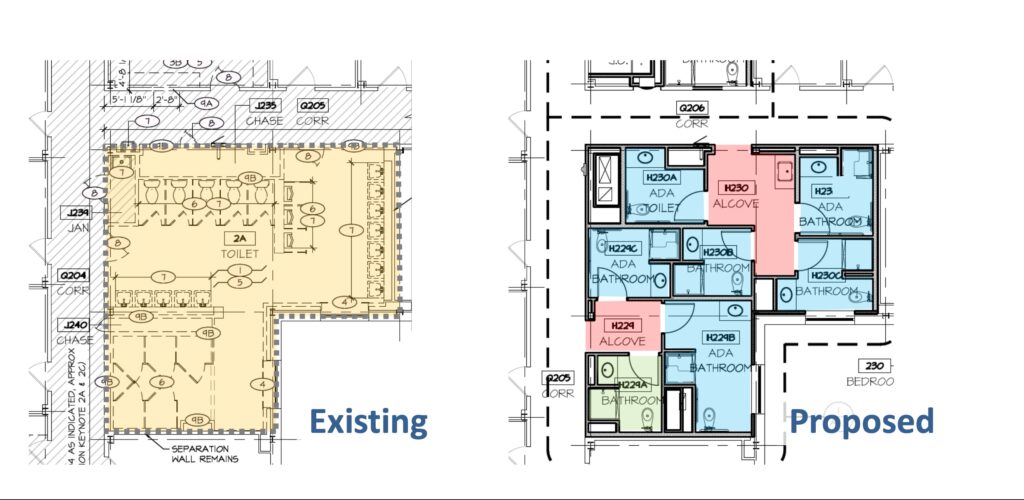
The $11.37 million McKee Hall project “aims to improve the overall student experience… by renovating the original bathrooms and creating private amenities that better align with today’s college students and their families’ expectations,” Miller said. It also will also “reduce operational risk associated with the 75-year-old bathroom infrastructure,” as well as maintenance costs.
Housing and Food Services, which is a self-supporting enterprise within the university, will use reserves to fund the renovations.
Penn State performed a similar project at Hamilton Hall in West Halls over the last year.
Like that work, the McKee Hall renovations will improve accessibility and privacy, with shared private bathrooms, “wet core” open sink areas and a 6 to 1 bed to bath ration.
“This renovation approach and configuration is proving to be the most efficient way to address the bathrooms that are well past their useful life,” Miller said.
The project scope also includes the addition of 21 beds to the current 282 in McKee. Nineteen will be in attic space that will be converted to three double rooms, three triples and one quad. Two others will be added by resizing existing spaces.
Both Hamilton and Thompson halls have seen the addition of bed space through renovations in recent years.
Construction on McKee Hall is scheduled to begin in December and be completed in August.
“In order to minimize disruptions, housing has not assigned rooms in the work area for the spring semester,” Miller said. “A great deal of effort and project coordination will be required during the summer when we complete the second bathroom stack prior to students from arrival in the fall.”
331 Building Repurposing
A $16.4 million project will repurpose the 331 Building on Innovation Boulevard at Innovation Park to provide additional space for the Applied Research Lab.
The fitting out of existing leased space is part of the implementation of a master plan for ARL introduced in 2023 to transition out of its current core campus Main Lab building, wh Miller said would otherwise require “significant reinvestments.”
“This saves the university expenditures and leases and provides a strategic location for ARL to relocate some of their personnel and operations adjacent to other ARL facilities that are currently under construction or planned in the future,” he added. A new 80,000-square foot ARL building is under construction nearby at 335 Innovation Boulevard.
Current university occupants of the 331 Building will move into smaller vacant space in the 329 Building.
The repurposed 331 Building will increase ARL’s assignable square footage compared to corresponding space in the Main Lab, going from 38,189 square feet to 42,056 square feet.
Construction is expected to begin this month and be completed in September.
ARL, a self-supporting unit, is funding the project.